
The Phoenix of May 18
Haatufonline, 18 May, 2026 —
The Phoenix of May 18
Fleeing feet,
Nameless graves,
Fate sealed in papers,
Executed by powerful mights.
Came the reckoning of Somaliland,
Like the sun rising from the west.
African exodus,
Countless bodies,
Warplanes coming like Sur.
Little girl panting,
Clutching a baby goat
To death.
Fear coloring the land
And the seas,
Judgment day
Came early.
Heavy feet,
Dust lifting.
Dreads
And beards that don’t know scissors.
They came like a lightning bolt,
Illuminating the land,
Calling on Allah like Badr.
Those who butchered their own
Should never win war.
Six months under trees,
Laws laid,
History seared into trunks,
Speech uttered eloquently,
Nature as a witness,
They called on liberty
And it came Like a phoenix
Rising from the ashes.
Can you unbirth
A man on his soil?
Can you remove the seeds
That grew long before you were there?
The land and the people
sang freedom at last !
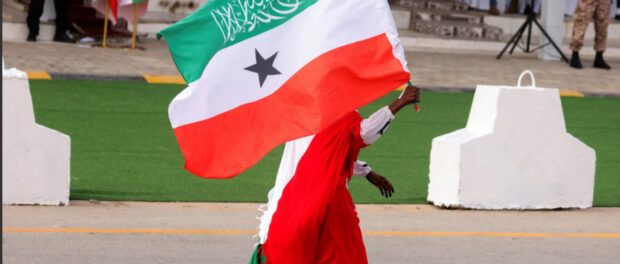
The Phoenix of May 18 is a poem about suffering, resistance, survival, and rebirth. Written around the memory of Somaliland’s restoration of its sovereignty on May 18, 1991, the poem reflects the collective journey of a people who endured mass violence and destruction, yet rebuilt their nation from the ruins through resilience, sacrifice, and determination.The opening verses evoke the horrors of war and displacement: fleeing civilians, anonymous mass graves, and lives destroyed by decisions made through political power and military force. The imagery of “warplanes” and “countless bodies” recalls the devastating bombardments and atrocities that struck Somaliland during the final years of the Somali dictatorship, forcing hundreds of thousands into exile and leaving deep scars across the land.The poem then shifts from tragedy to resistance. The fighters described with “dreads and beards that don’t know scissors” symbolize the liberation struggle carried out under harsh conditions by men and women who abandoned comfort and certainty for the cause of freedom. Their invocation of Allah and comparison to the Battle of بدر (Badr) presents the struggle not merely as military resistance, but as a moral and existential fight for survival and dignity.One of the poem’s central themes is rebirth. The verses about gathering “under trees” refer to the reconciliation conferences and grassroots nation-building efforts that followed the war, when Somalilanders established peace, laws, and institutions with limited resources but strong communal resolve. Nature itself becomes a witness to this historic reconstruction. The “phoenix rising from the ashes” symbolizes Somaliland emerging from devastation into stability and self-governance.The final lines affirm the inseparable bond between a people and their homeland. The poem argues that identity, memory, and belonging cannot be erased through violence or oppression. Despite genocide, displacement, and attempts to destroy them, the people endured, and in the end, both the land and its people “sang freedom at last.
Overall, the poem is both a memorial to loss and a tribute to resilience honoring those who suffered and fought, while celebrating Somaliland’s survival and restoration after one of the darkest chapters in its history.
Leave a comment